November 10, 2026
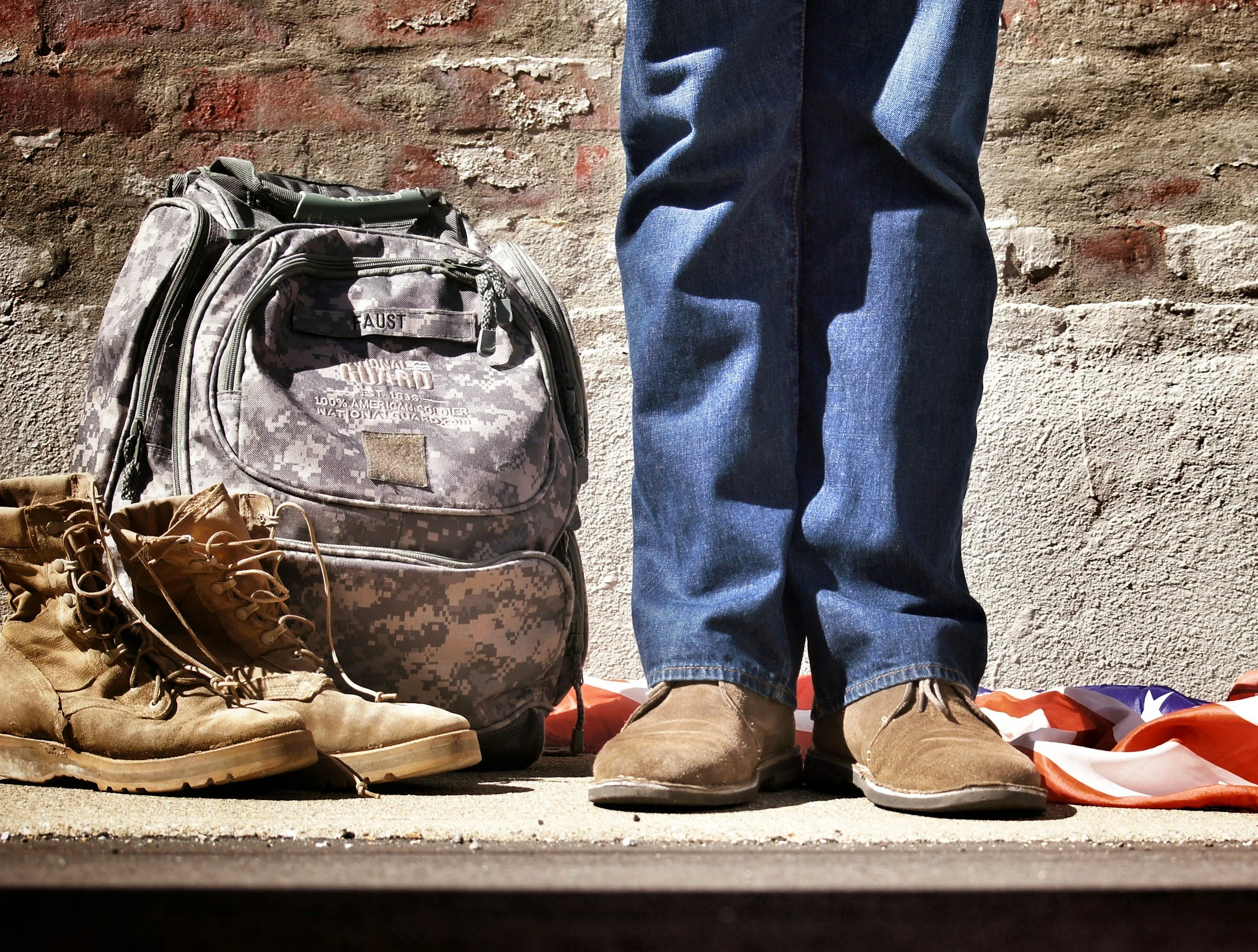
Honoring veterans and the families who serve alongside them
🎯 Why this matters
Last month, the USS Abraham Lincoln pulled into San Diego Bay after nearly eleven months away. That included a record 265 straight days at sea. On the pier were spouses holding signs, kids on shoulders, and dozens of new fathers about to meet their babies for the first time.
Homecoming photos tend to end there, with the embrace. But for the people in them, the embrace is where the next chapter begins.
Veterans Day honors everyone who has served, and it's mostly about the living. That includes the people who come home changed, and the families who held everything together while they were gone. Families serve too. They just don't get a uniform.
This year, the Lincoln is a reminder of how much a single deployment can ask of both.
🧠 What the science shows
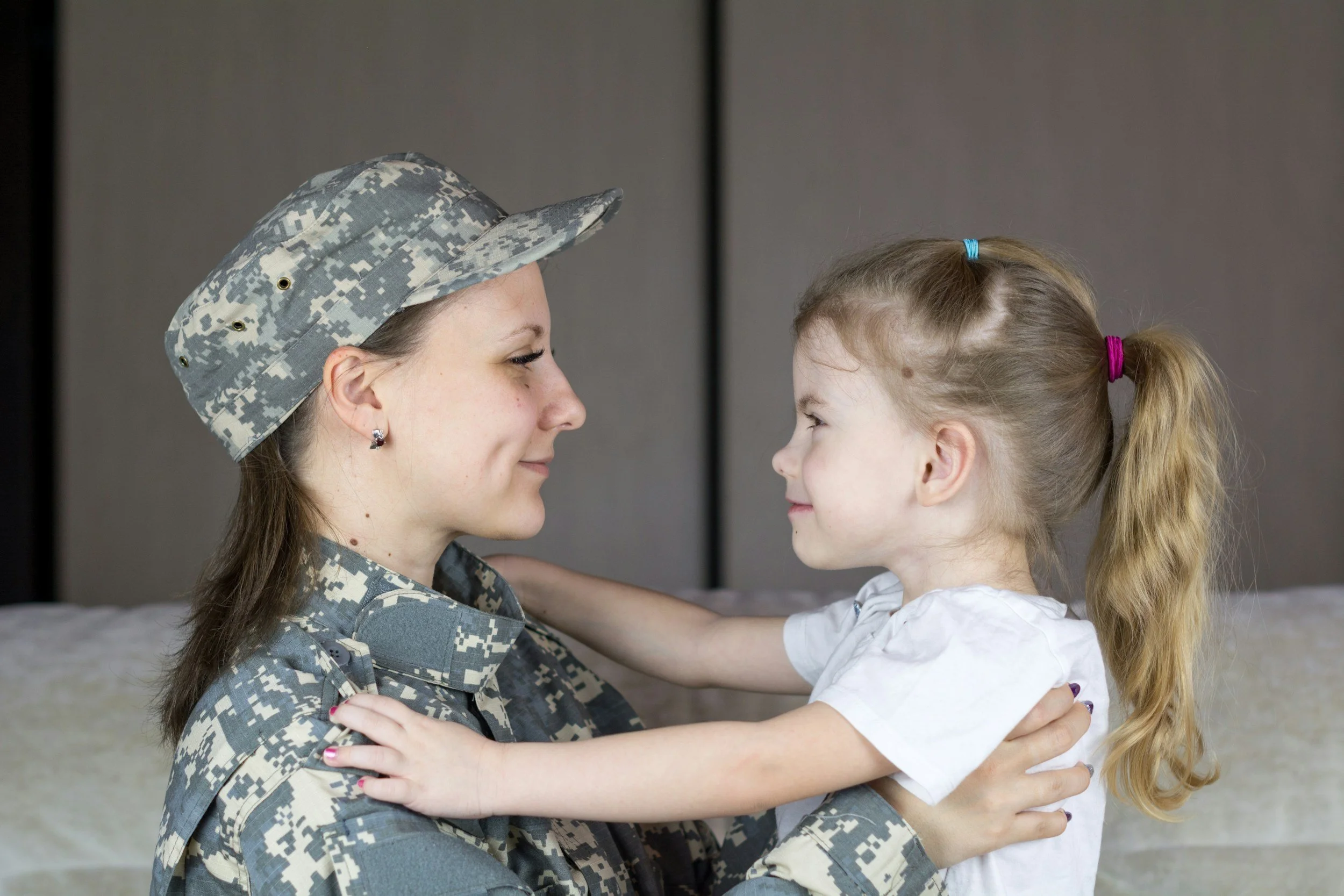
Homecoming is a transition, not a finish line. When a service member returns, the whole family has to renegotiate routines, roles, and parenting that ran without them for months (Bowling & Sherman, 2008). Awkwardness after a reunion is normal. It isn't a sign something is wrong.
Kids and partners carry deployments too. Children of deployed parents show more anxiety, and longer deployments are linked to more strain on at-home parents (Lester et al., 2010). Relief, pride, and anger at the absence can all show up in the same week, sometimes the same hour.
Some wounds are moral, not physical. Moral injury is the distress that comes from doing, witnessing, or failing to prevent something that violates your own sense of right and wrong (Litz et al., 2009). It can look like guilt, shame, or quiet withdrawal, and it often goes unnamed.
The strain on the Lincoln was real. The Navy confirmed to Congress that eight sailors across the Lincoln strike group attempted suicide during the deployment (Military Times, 2026). Sailors and Navy clinicians described onboard mental health support as stretched thin. Navy leadership said support was available aboard and pushed back on how conditions were characterized. Whatever the policy debate, the people involved deserve care now that they're home.
🧭 The ACT lens
There's a phrase many veterans hear more than any other: "Thank you for your service." It's sincere, and it's not wrong. But for many people who served, it can feel like a door closing on a conversation, rather than opening one.
ACT invites a different kind of honoring, one built on presence rather than ceremony. For veterans and their families, that starts with making room for all of it: the pride and the grief, the relief of being home and the strangeness of it, the love for a partner alongside the resentment of having carried so much alone. None of these feelings cancels the others. Trying to force them into one tidy story ("we're just grateful he's home") usually means something important goes underground.
The second step is turning back toward values. Coming home isn't about getting back to who you were before. It's about asking who you want to be now, as a parent, a partner, or a neighbor, and taking one small step in that direction each day.
🔧 Skills you can use today
Swap the script. Instead of only "thank you for your service," try "How has coming home been for you?" or "What do you wish people understood?" Then listen without rushing to reassure.
Expect a re-entry season. Families can plan for weeks, not days, of readjustment. That means simple routines, lowered expectations, and permission for it to feel clunky.
Make room for mixed feelings. Partners and kids can say "I'm so glad you're home, and I'm still upset about how hard it was." Both sentences can be true.
Notice the quiet signs. Withdrawal, irritability, drinking more, or a lot of "I'm fine" can mean someone is carrying more than they're saying. Check in gently and stay curious.
Know the number. Veterans, service members, and the people who love them can dial 988 and press 1, text 838255, or chat at VeteransCrisisLine.net. You don't need to be enrolled in VA care.
🧷 Untrendy but true
The deployment ends at the pier. The coming home takes longer, and no one should have to do it alone.
Resources for the Curious
📚 Books
Tribe: On Homecoming and Belonging, Sebastian Junger. A short, powerful look at why returning home can be harder than leaving it.
Achilles in Vietnam, Jonathan Shay. The book that brought moral injury into the public conversation, from a VA psychiatrist.
Once a Warrior—Always a Warrior, Charles W. Hoge. Practical, de-stigmatizing guidance on reintegration for veterans and their families.
🎧 Podcasts
Borne the Battle (U.S. Department of Veterans Affairs): veterans' stories alongside practical information on benefits and resources.
Military OneSource Podcast: practical episodes for service members, spouses, and families on deployment and reintegration.
The Moth: its archive includes many first-person stories from veterans and military families about service and coming home.
References
Associated Press. (2026, October 8). The long-deployed USS Lincoln returns home to San Diego Bay. https://www.foxcarolina.com/2026/10/08/long-deployed-uss-lincoln-returns-home-san-diego-bay/
Bowling, U. B., & Sherman, M. D. (2008). Welcoming them home: Supporting service members and their families in navigating the tasks of reintegration. Professional Psychology: Research and Practice, 39(4), 451–458. https://doi.org/10.1037/0735-7028.39.4.451
Hayes, S. C., Strosahl, K. D., & Wilson, K. G. (2012). Acceptance and commitment therapy: The process and practice of mindful change (2nd ed.). Guilford Press.
Lester, P., Peterson, K., Reeves, J., Knauss, L., Glover, D., Mogil, C., Duan, N., Saltzman, W., Pynoos, R., Wilt, K., & Beardslee, W. (2010). The long war and parental combat deployment: Effects on military children and at-home spouses. Journal of the American Academy of Child & Adolescent Psychiatry, 49(4), 310–320. https://doi.org/10.1016/j.jaac.2010.01.003
Litz, B. T., Stein, N., Delaney, E., Lebowitz, L., Nash, W. P., Silva, C., & Maguen, S. (2009). Moral injury and moral repair in war veterans: A preliminary model and intervention strategy. Clinical Psychology Review, 29(8), 695–706. https://doi.org/10.1016/j.cpr.2009.07.003
Military Times. (2026, October 6). USS Abraham Lincoln to return home after 320 days. https://www.militarytimes.com/news/your-navy/2026/10/06/uss-abraham-lincoln-to-return-home-after-320-days/
U.S. Department of Veterans Affairs. (n.d.). Veterans Crisis Line. https://www.veteranscrisisline.net