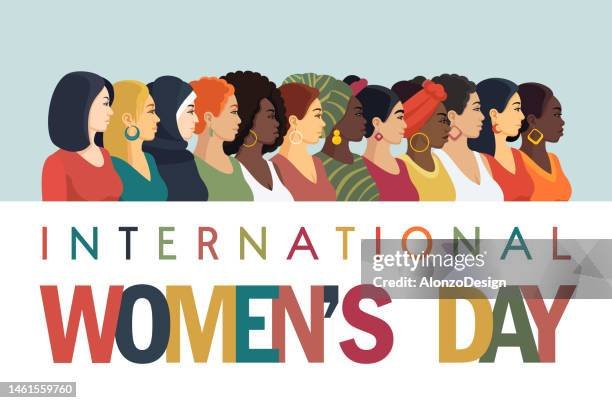
Honoring International Women’s Day by remembering the women who changed the rules—and the women changing them now.
March 10, 2026
Reframe: “not accepting subpar” is not being difficult—it’s being awake
International Women’s Day isn’t just a celebration of women. It’s a recognition of resistance—the refusal to treat unjust conditions as normal, inevitable, or “just how it is.” Many U.S. women activists didn’t win because life got easier; they won because they persisted when it didn’t. Their fortitude wasn’t a personality trait. It was a practice: courage, community, strategy, and relentless hope for a more perfect union.
🧠 The psychology of refusing “subpar”
When people challenge unfair systems, they’re often labeled “too much.” But research on collective action suggests people mobilize when they:
perceive injustice as illegitimate,
feel anger or moral outrage in a directed way, and
believe collective effort can make change possible (van Zomeren, Postmes, & Spears, 2008).
Hope matters too—not as wishful thinking, but as a motivation system: identifying pathways and sustaining agency toward meaningful goals (Snyder, 2002).
In ACT terms, this is values-in-motion: choosing behavior aligned with dignity and justice even when fear and fatigue show up (Hayes, Strosahl, & Wilson, 2012).


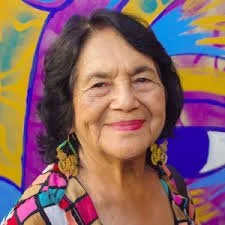
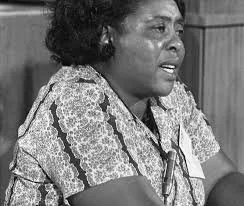

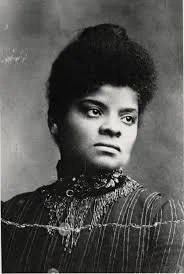
🇺🇸 Women activists in the U.S. who refused “good enough”
A non-exhaustive, reverent nod to women whose courage widened the world:
Sojourner Truth — abolitionist and women’s rights advocate who challenged both racism and sexism head-on.
Ida B. Wells — anti-lynching journalist and organizer who documented terror when many would not.
Susan B. Anthony and Elizabeth Cady Stanton — suffrage organizers (with complicated racial history worth naming as part of honest remembrance).
Fannie Lou Hamer — voting rights powerhouse who told the truth about violence and exclusion with unmatched clarity.
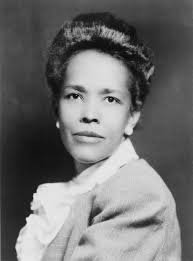
Ella Baker — organizer’s organizer; believed in grassroots leadership and collective power.
Dolores Huerta — labor leader and co-founder of the United Farm Workers, insisting farmworkers deserved protection and dignity.
Gloria Steinem — feminist journalist and organizer expanding public imagination of gender equity.
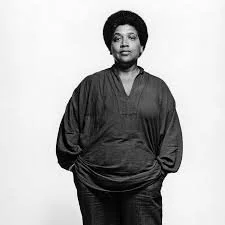
Audre Lorde — writer and activist whose work insisted identity and justice are inseparable.
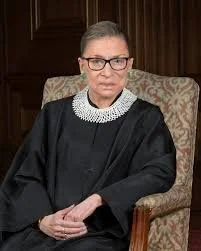
Ruth Bader Ginsburg — legal strategist who advanced gender equality through careful, persistent casework.
Tarana Burke — founder of the “Me Too” movement, shifting cultural language around sexual violence and survivorship.
Their shared thread: refusal to pretend. Refusal to accept “this is fine” when it wasn’t.
🧭 ACT lens: how to honor them without burning out
You don’t need a protest sign every day to live a justice value. ACT invites sustainable, values-based action:
1) Name your value (one word).
Justice. Dignity. Safety. Education. Collective care. Freedom.
2) Choose your “lane.”
🗳️ civic (voting access, school boards)
🏥 care (mutual aid, childcare, food support)
📚 education (books, conversations, youth mentoring)
🧠 culture (art, writing, truth-telling)
💼 workplace (fair pay, parental leave advocacy)
3) Do one small action this week.
donate $10 to a local women’s shelter
call your representative about family leave
invite a younger woman to coffee and share what you’ve learned
bring up pay transparency at work
show up to one community meeting
share a vetted resource instead of a hot take
Sustainable change is built with repeatable steps, not one heroic surge.
🧷 Untrendy but True
Hope is not naïve. It’s disciplined.
And refusing subpar conditions isn’t entitlement—it’s a declaration of human dignity.
Resources for the Curious
📚 Books
Hamer, F. L. — To Praise Our Bridges: An Autobiography
Huerta, D. — Yes We Can: Lessons from a Lifetime of Activism
Lorde, A. — Sister Outsider
🎧 Podcasts
Throughline (NPR) — historical context for modern issues; excellent for civic memory.
Code Switch (NPR) — race, culture, and identity; often highlights women’s leadership.
The Experiment (The Atlantic) — thoughtful reporting on American life and power.
▶️ Videos
PBS American Experience episodes featuring women’s rights and civil rights organizers
PBS American Experience: “The Vote” short segments on U.S. suffrage organizing—great for quick, powerful context.
Library of Congress / National Archives short documentaries on suffrage and civil rights history
References
Hayes, S. C., Strosahl, K. D., & Wilson, K. G. (2012). Acceptance and commitment therapy: The process and practice of mindful change (2nd ed.). Guilford Press.
Snyder, C. R. (2002). Hope theory: Rainbows in the mind. Psychological Inquiry, 13(4), 249–275.
van Zomeren, M., Postmes, T., & Spears, R. (2008). Toward an integrative social identity model of collective action. Psychological Bulletin, 134(4), 504–535.*