Honoring Dr. King: Courage, Care, and the Psychology of Nonviolence
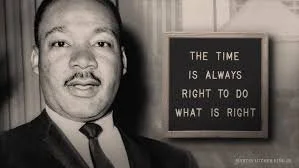
Not about perfection—about how a human being faced terror, tended his spirit, and kept choosing what mattered.
🧭 Why this matters now
Commemorating Dr. Martin Luther King Jr. is more than retelling victories. It is also learning from how he coped with relentless stress, threats, and grief—and translating those lessons into our daily lives. King’s leadership was forged amid bombings, a near-fatal stabbing, and constant death threats; he still chose disciplined nonviolence, community care, and spiritual practice as workable ways to pursue justice.
A human nervous system under historic pressure
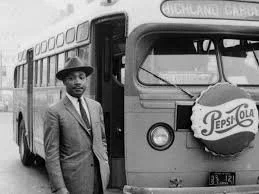
Acute Danger
During the Montgomery Bus Boycott, segregationists bombed King’s home while Coretta and baby Yolanda were inside. He met the enraged crowd and urged nonviolence.
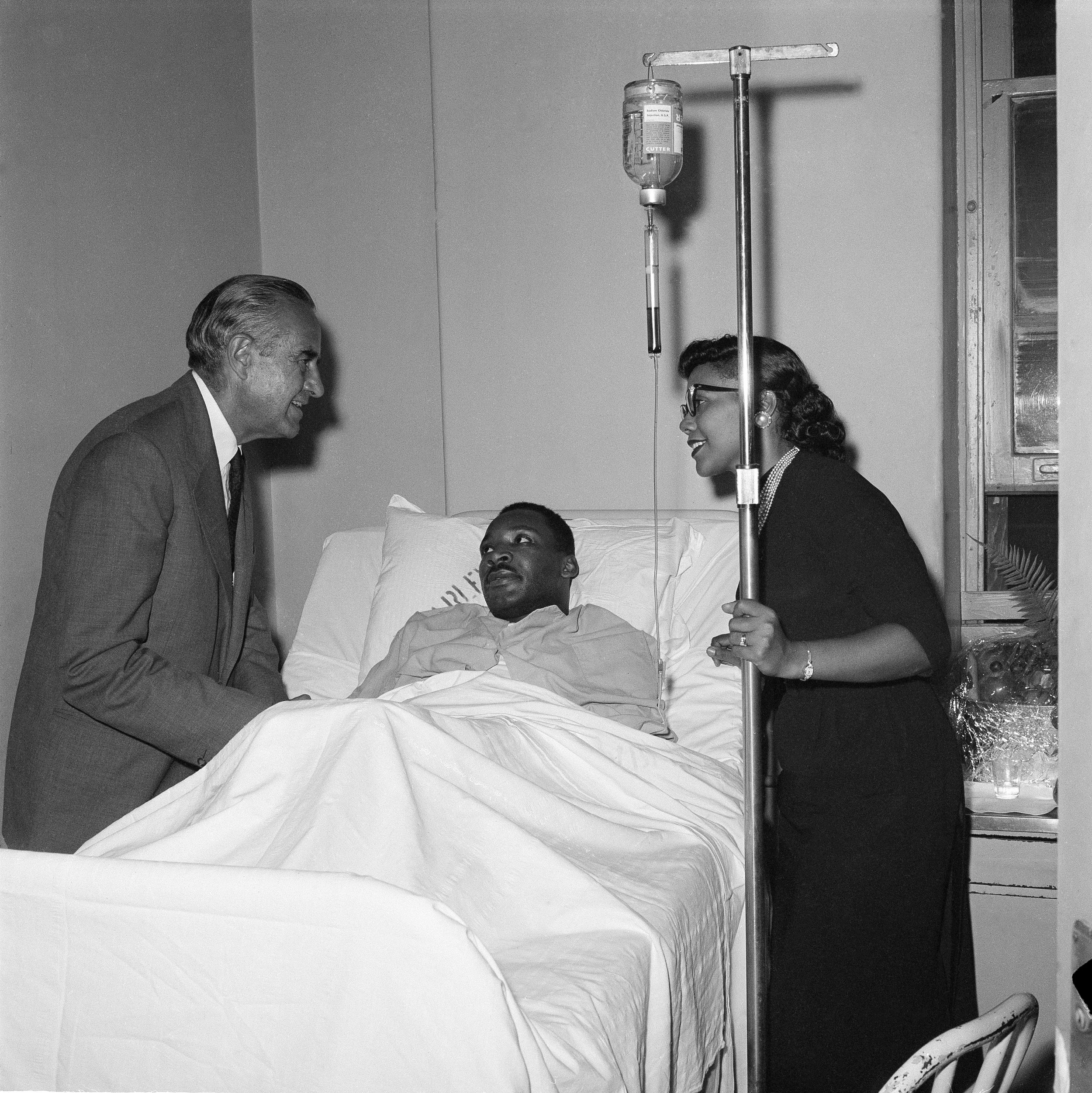
Serious Injury
In 1958, he survived a near-fatal stabbing at a Harlem book signing—what he later called a “brush with death.”
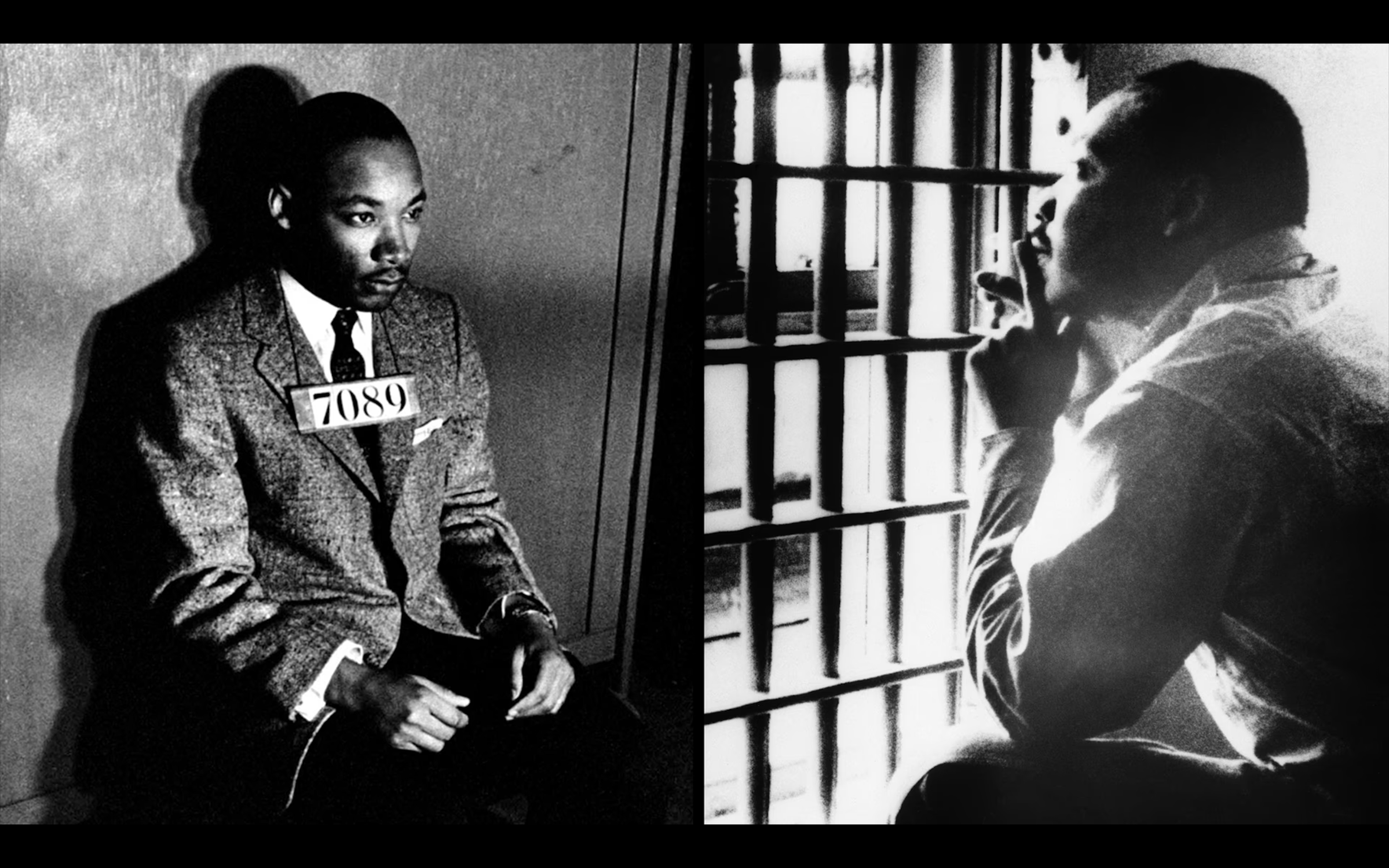
Endurance with Meaning
In “Letter from Birmingham Jail,” King framed nonviolence as “the more excellent way,” rooted in moral courage and the Black church tradition—an explicit values anchor under stress.
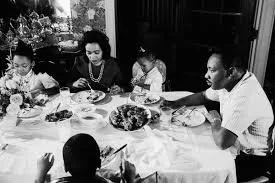
Spiritual Coping
In January 1956, at his kitchen table in Montgomery—exhausted and afraid—he prayed and described an inner steadiness that helped him continue.
Psychology echoes these choices: social support buffers stress; religious/spiritual coping can be adaptive; and meaning-making predicts resilience.
🕯️ Spirituality and faith—many paths to steadiness
Many drew strength from faith communities during the Civil Rights Movement—and many today find steadiness outside formal religion. If religion hasn’t been safe for you (or simply isn’t your path), you still have access to spiritual practices that regulate the nervous system and anchor purpose: silent breath or meditation, nature walks, contemplative reading or poetry, service as a sacred act, singing, journaling, and gathering with values-aligned community. The through line is meaning, connection, and courage—no creed required.
🧰 What Dr. King modeled (and how the science lines up)
1) Values before tactics
King’s nonviolence was not passivity; it was a chosen method aligned with love, dignity, and justice. In Acceptance & Commitment Therapy (ACT), values are directions you can walk in on hard days—precisely how King kept moving.
🌱 Try: identify one value you want to embody this week, then choose the smallest action consistent with it.
2) Collective care, not solo heroics
Behind every march were pastors, youth, mothers, unionists, and neighbors—networks that co-regulated nervous systems and shared load. Social support research calls this the buffering effect: connection reduces stress’s impact on health.
🌱 Try: name your “three-person circle” to text before/after hard actions.
3) Spiritual practices as regulation
That “kitchen-table” prayer is a classic example of religious/spiritual coping—seeking comfort, guidance, and courage through meaning and connection. In many studies, these practices correlate with greater persistence and lower distress when approached flexibly.
🌱 Try: one minute of stillness, a brief prayer, or a line of poetry before hard conversations.
4) Nonviolent discipline as nervous-system skill
Choosing nonviolence in the face of attack required impulse regulation, perspective-taking, and deliberate strategy—what modern psychology recognizes as emotion regulation and goal-consistent behavior.
🌱 Try: when anger spikes, slow your exhale for 20–30 seconds, then return to the next right step.
🔧 Try this this week
Name the value → pick the move: “Because dignity matters, I will learn one neighbor’s name and story.”
Support buffer: Text two people before a stressful meeting: “Checking in—values = courage + care. Will debrief after.”
Kitchen-table minute: Sit with a warm mug; say one line that steadies you (prayer, mantra, verse, poem).
Nonviolence micro-discipline: If provoked online, pause 90 seconds; respond only if you can keep your value in the sentence.
🧷 Untrendy but True
Dr. King was not superhuman. He was a person who organized his coping around love, community, and disciplined action.
We can do that—at kitchen tables, in meetings, and on sidewalks that still need courage.
For the Curious
📚 Books
A Testament of Hope (ed. James M. Washington) — Martin Luther King Jr.
Essential speeches/essays for understanding King’s interior life and strategy.This Here Flesh — Cole Arthur Riley
Contemplative reflections on dignity, embodiment, and belonging (faith-curious, trauma-aware).Peace Is Every Step — Thích Nhất Hạnh
Engaged mindfulness for courage and compassion.The Fire Next Time — James Baldwin
Clear-eyed, soul-deep essays on love, justice, and moral imagination.My Grandmother’s Hands — Resmaa Menakem
Somatic practices for healing racialized trauma; grounded, practice-forward.
🎧 Podcasts & audio
On Being (Krista Tippett) — Conversations at the intersection of moral courage, spirituality, and public life
Teaching Hard History (Learning for Justice) — Context for the movement; practical, human stories and tools.
Hope & Hard Pills (Andre Henry) — Nonviolent action, movement resilience, and the inner work of justice.
Sounds Like Hate (SPLC) — De-radicalization, belonging, and the psychology of extremism vs. community.
The King Institute (Stanford) lecture/audio archives — Primary-source context for King’s strategy and spiritual formation.
References
Cohen, S., & Wills, T. A. (1985). Stress, social support, and the buffering hypothesis. Psychological Bulletin, 98(2), 310–357.
King, M. L., Jr. (1963). Letter from Birmingham Jail.
Pargament, K. I. (1997). The psychology of religion and coping: Theory, research, and practice. Guilford Press.
Strozier, C. B., et al. (various). Research on meaning-making and resilience (overview texts in the coping literature).